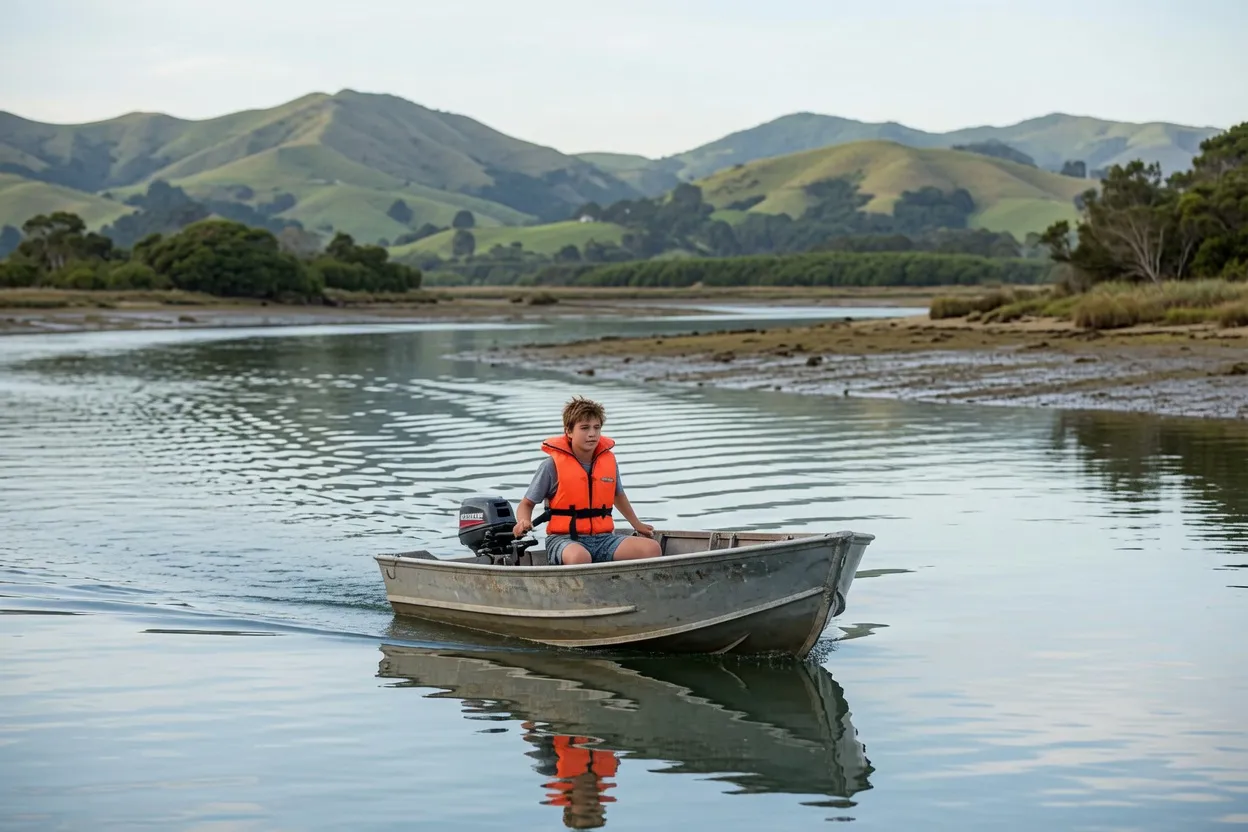
Anyone comparing boating rules between Australia and New Zealand runs into a genuine surprise fairly quickly: New Zealand has no national licence requirement for operating a recreational pleasure boat. Where every Australian state and territory requires some form of licence for recreational boat operation, a New Zealand skipper can legally take a boat out without holding a licence or passing a test.
What's Actually Required
The absence of a licence requirement doesn't mean the absence of rules. Every skipper in New Zealand is legally responsible for the safety of everyone on board and for complying with maritime rules and regional bylaws, regardless of whether they hold any qualification — "I didn't know the rule" is not a legal defence if something goes wrong. Lifejacket carriage is a legal requirement on every recreational vessel, and a growing number of regional councils have introduced stricter local bylaws mandating lifejackets actually be worn, not just carried, on smaller boats — Bay of Plenty is one recent example. The one hard age rule that does exist: the driver of any powerboat capable of exceeding 10 knots must be at least 15 years old.
Why Training Is Still Recommended
Maritime NZ and Coastguard Boating Education both strongly recommend completing a Day Skipper course as a practical minimum, even though nothing legally requires it. The reasoning is straightforward: legal liability for the safety of the boat and everyone on it sits with the skipper regardless of training, so going out without any formal knowledge of navigation rules, weather judgement or emergency procedure is a real risk the licensing system in other countries is partly designed to reduce. New Zealand has simply put the responsibility for closing that gap on individual skippers rather than mandating it.
Registration
Boat registration follows a similarly light-touch approach — it isn't a blanket legal requirement for recreational vessels the way vehicle registration is, though it is required to enter races under Yachting New Zealand rules and is generally encouraged for ownership identification and safety purposes regardless of whether you plan to race.